
As far as I can remember, it was rarely for me to miss breakfast. This also applies to my family. We always have time for breakfast, either at home, in office, or getting some snacks from the food stalls on the way to work.
How necessary breakfast is? For me, it is so necessary, because if I didn’t have breakfast, I would feel something less during the day. This feeling could make me less than optimal in working. I might become somewhat lazy and slow. My hubby and children do feel the same way. That’s why we put breakfast as an important thing. Another disadvantage thing mostly in my concern was skipping breakfast could set me up for overeating later in the day. While on the other hand, a healthy and adequate morning meal, can give me energy, satisfy my apetite, and very helpful setting my steps for smart decisions all day long.
From John Hopkins Bloomberg School & Public Health’s website, I found a good article about the benefits of breakfast. Here I copy-pasted the related part of the article:
Why You Should Eat a Healthy Breakfast
- Breakfast is the most important meal of the day. Breakfast provides you with the energy and nutrients that lead to increased concentration in the classroom.
- Studies show that breakfast can be important in maintaining a healthy body weight.
- Hunger sets in long before it’s time for lunch, but because it’s not convenient to eat properly, many people who have not eaten breakfast snack on foods that are high in fat and sugar.
- People who skip breakfast are unlikely to make up their daily requirement for some vitamins and minerals that a simple breakfast would have provided.
- Breakfast provides energy for the activities during the morning and helps to prevent that mid-morning slump.
And here are some of my favourite breakfasts. I’ve taken the benefit details of each from several sources of health.


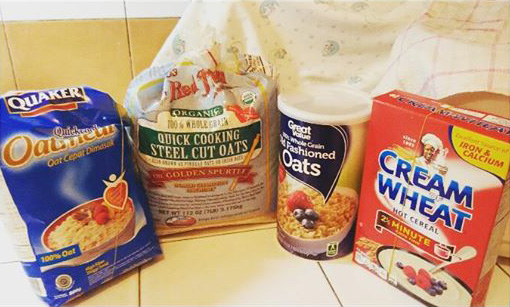
Oats contain beta-glucan, a type of fiber that’s been shown to help lower cholesterol when eaten regularly. Need another reason to dig in? Oats are also rich in omega-3 fatty acids, folate, and potassium.
Steel-cut oats, which take about 15 minutes to cook, contain more fiber than rolled oats or instant varieties, but any type of oatmeal is a healthy choice. Just avoid the flavored kinds, which can be packed with sugar. Instead, sweeten your bowl with milk and a bit of honey, and top with fruit and nuts.
Berries are superfoods because they’re so high in antioxidants without being high in calories
Strawberries are good for your ticker, too. A 2013 study found that women were less likely to have a heart attack over an 18-year period if they ate more than three servings of strawberries or blueberries per week. (Strawberries, like blueberries, are a good source of anthocyanins.)
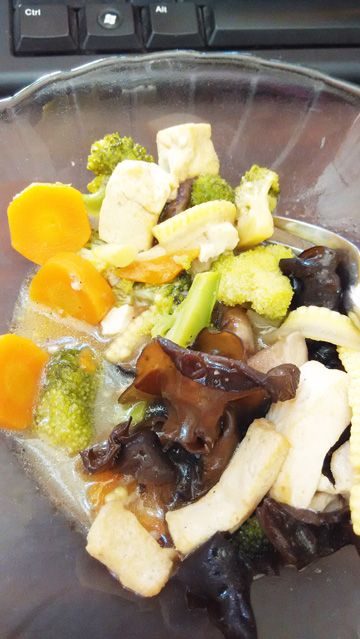
Broccoli belongs to the cruciferous vegetable family, which includes kale, cauliflower, brussels sprouts, bok choy, cabbage, collard greens, rutabaga and turnips.
According to the USDA National Nutrient Database, one cup of chopped raw broccoli (approximately 91 grams) contains 31 calories, 0 grams of fat, 6 grams of carbohydrate (including 2 grams of sugar and 2 grams of fiber) and 3 grams of protein.
Just one cup of broccoli provides over 100% of your daily need for vitamin C and vitamin K, and is also a good source of vitamin A, folate and potassium.
Carrots: The Crunchy Powerfood. Forget about vitamin A pills. With this orange crunchy powerfood, you get vitamin A and a host of other powerful health benefitsincluding beautiful skin, cancer prevention, and anti-aging.
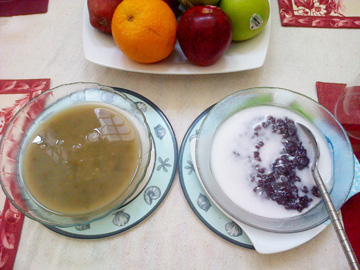
Mung beans is a high source of protein, fiber, antioxidants and phytonutrients. High source of nutrients including: manganese, potassium, magnesium, folate, copper, zinc and various B vitamins.
Because of their high nutrient density, mung beans are considered useful in defending against several chronic, age-related diseases, including heart diseases, cancer, diabetes, and obesity.

Eat Salads for the Fiber
Eating a high-fiber diet can help lower cholesterol levels and prevent constipation.
For years, researchers have noted a link between eating lots of fruits and vegetables and lower risks of many diseases, particularly cancer.
Eggs are now embraced as a healthy source of protein and nutrients like vitamin D.

Kiwi. This fuzzy little fruit has about 65 milligrams of vitamin C per serving—nearly as much as an orange. It’s also rich in potassium and copper and contains more fiber per ounce than a banana, which makes it a good aid to digestion. (In one study, eating two kiwis a day for one month lessened constipation in people with irritable bowel syndrome.)
Oranges are low in calories but full of nutrients, they promote clear, healthy skin and can help to lower our risk for many diseases and conditions as part of an overall healthy and varied diet.
One medium orange (approximately 154 grams) contains 80calories, 0 grams of fat, 250 milligrams of potassium, 19 grams of carbohydrate (14 grams of sugar and 3 grams of dietary fiber) as well as 1 gram of protein.
One orange provides 130 percent of your vitamin C needs for the day, 2 percent of vitamin A needs, 6 percent of calcium and 0 percent of iron.
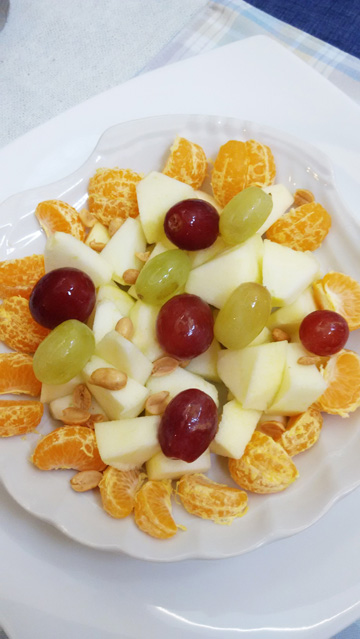


Grapes are high in antioxidants important for eye health such as lutein and zeaxanthin, and red grapes contain the phytochemical resveratrol in their skins, the antioxidant synonymous with wine known to lend protection from several chronic diseases and conditions. Grapes also boast the power of the flavonoids myricetin and quercetin which help the body to counter-act harmful free radical formation.
The potential health benefits of consuming grapes are numerous, with past studies associating them with prevention of cancer, heart disease, high blood pressure andconstipation.
Grapes are high in water content and good for hydration. High water-content fruits and vegetables are nutrient dense, meaning they provide a large amount of essential nutrients while containing few calories. Grapes contain 70 milliliters of fluid per cup.
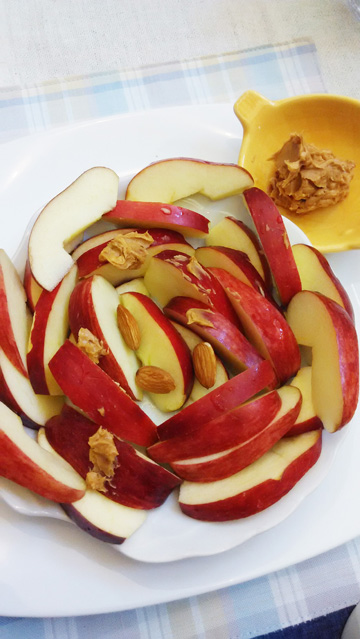
“An apple a day keeps the doctor away” is an old Welsh proverb.
Apples are extremely rich in important antioxidants, flavanoids, and dietary fiber.
The phytonutrients and antioxidants in apples may help reduce the risk of developing cancer, hypertension, diabetes, and heart disease.

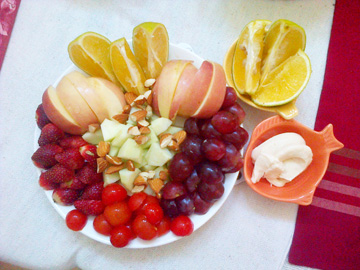

“There has never been a sadness that can’t be cured by breakfast food” ~ Ron Swanson
Serpong, 20th September 2015, 22.32 – updated on 13th December 2015, 12.42
Facebook: https://www.facebook.com/sherlyhermawan

 Sherly Hermawan writes
You must be logged in to post a comment.